Dockets to Spreadsheet: The Restaurateur's Back Office
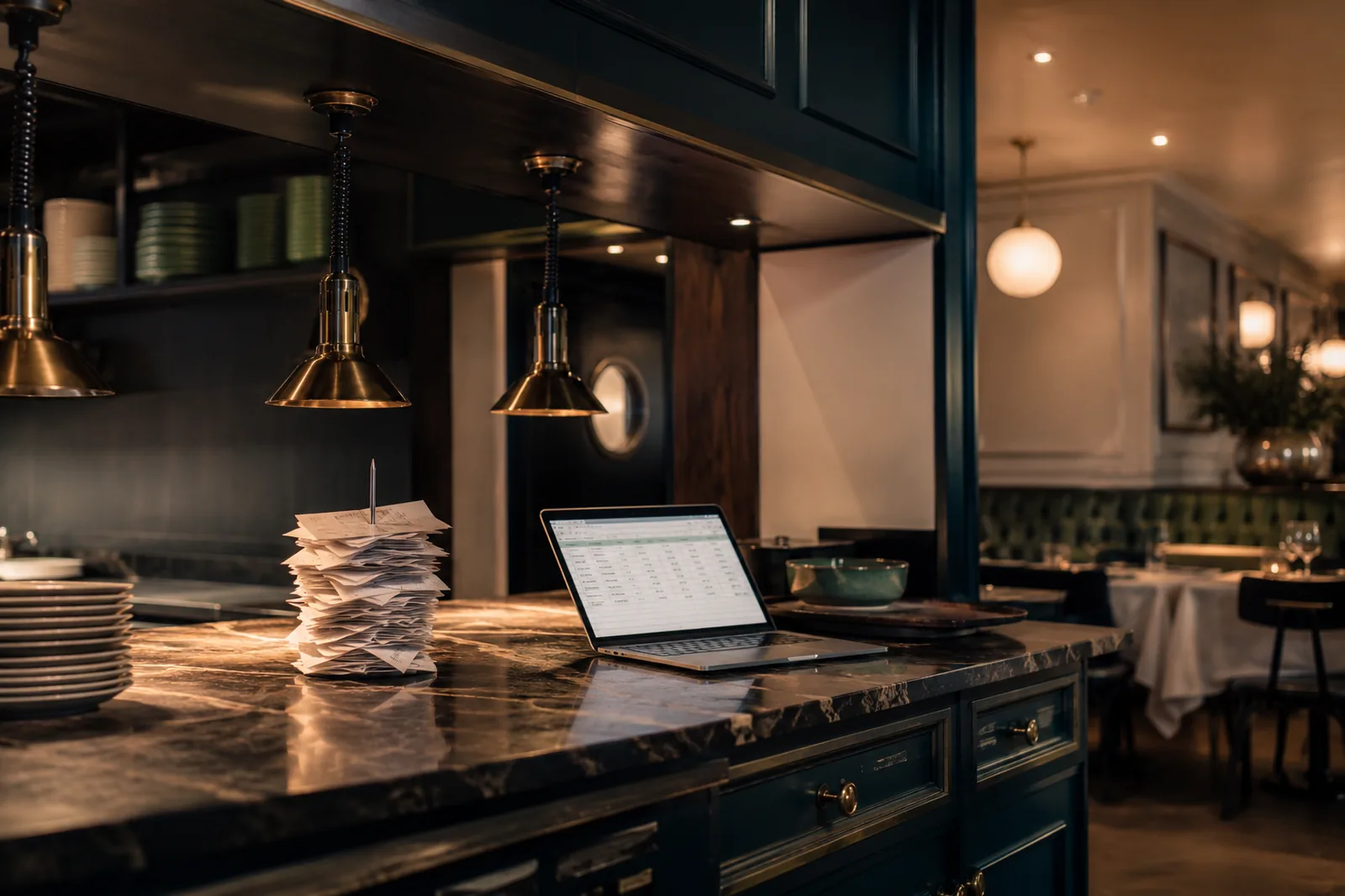
A spike of supplier dockets between services? Photograph each one and Swoosh reads it into a table of suppliers, items and prices, ready to export as a CSV and drop into your costing sheet. The morning's deliveries turn from a rough feeling into a number you can see. Here is how that quiet hour pays for itself.
The Hour Between Services
There is an hour, after the lunch plates have gone back and before the evening prep begins, when the room is yours. The chairs are still up on two of the tables. A mop has been over the floor and you can smell it. Somewhere behind you a fridge hums. The light comes in low and warm across the empty pass, and for a little while nobody needs anything from you at all.
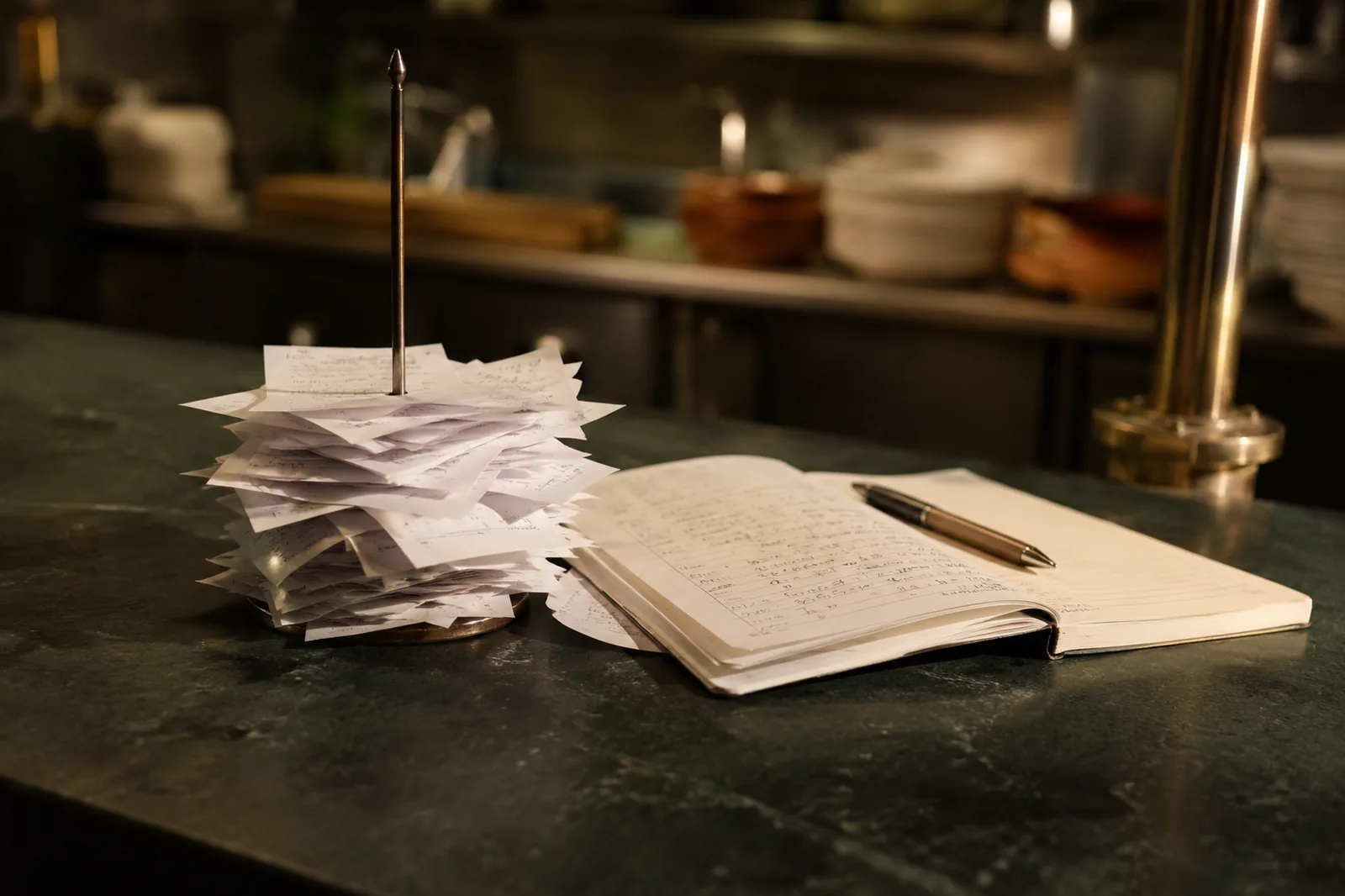
This is when the paper catches up with you. The dockets from the morning deliveries are still on the spike by the till, folded and grease-thumbed, in three different hands. The fish came in on one. The greengrocer left a smudged carbon copy. The dry goods arrived with a printout so faint you can barely read the line for the flour.
You know what they are worth, roughly. You do not know what they are worth exactly, and exactly is the difference between a good month and a tight one.
What a Docket Is Really Telling You
A delivery docket is a small, honest document. A supplier name at the top. A date. A column of things, and a column of prices, and a total at the bottom that someone has often got wrong by a few pence.
The trouble is never reading one docket. The trouble is reading forty of them, from a dozen suppliers, week after week, and keeping a running sense of where the money is going. Did the price of butter move again. Are you paying more for the same box of tomatoes than you were in the spring. Which supplier quietly crept up while you were busy plating.
You cannot answer those questions from a spike of paper. You can only answer them from a sheet, where every line sits in a row and every row can be added, sorted and compared. Getting the paper into the sheet is the dull part, and it is the part that, for most kitchens, simply never happens. The dockets go in a box. The box goes in the office. The office fills up.
Photograph the Spike, Read It into a Table
Take the dockets off the spike and lay them out on the clean pass, one at a time, in the good light you have for this one hour. Photograph each one with your phone. Hold it square above the paper, fill the frame, leave a small margin. A folded carbon copy reads better if you flatten it first with the back of a knife and shoot it from straight on, so the crease does not throw a shadow across a number.
Then bring the photographs to the tables tool. It reads the docket the way you would, finding the supplier, the date, the line items and the prices, and it lays them out as rows and columns rather than a wall of text. A handwritten fish docket and a faint printed invoice come out in the same tidy shape. You read the result against the original, side by side, so you stay in charge of every figure. Where a digit is genuinely unclear, a 3 that might be an 8, it is flagged rather than guessed, and you glance back at the paper and settle it yourself.
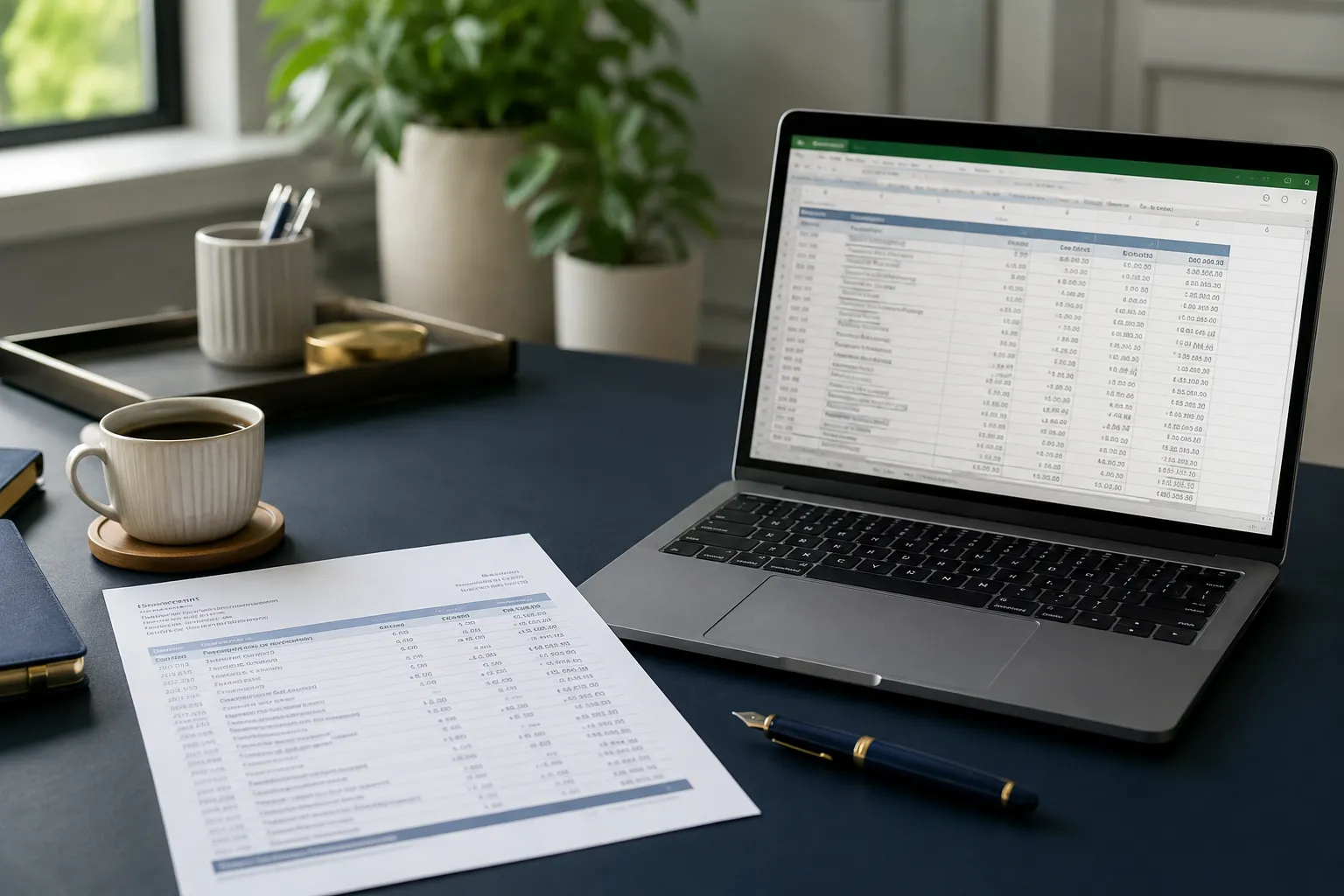
When it reads cleanly, export it as a CSV. That is the file your spreadsheet has been waiting for. It opens straight into the costing sheet you already keep, or the one you have been meaning to start, and now the morning's deliveries are forty rows you can add up, sort by supplier and total in a moment. The food cost you have been carrying as a rough feeling becomes a number you can actually see.
The Calm Hour, Kept
None of this needs the back office. It happens at the pass, in the quiet, on the same phone you use to chase a late delivery. To read a docket, the image is sent to a model that does the reading, and we do not keep your images or use them to train anything. The paper itself stays in your hand. For a business where the supplier list and the margins are nobody's business but yours, that matters more than it might in another trade.
Do it in the lull and the box in the office never fills again. By the time the first of the evening staff comes through the door, tying an apron, the morning is a clean line in a sheet and your head is back on the food. You know what the day cost before you have sold a single cover of it.
That is the whole of it. Not a system to be installed and maintained, just a habit that fits inside the hour you already have. The room goes back to being a restaurant. The numbers are written down.
A Few Questions People Ask
Will it cope with handwritten and printed dockets together?
Yes. It reads a scrawled delivery note and a faint thermal printout the same way, pulling the supplier, the items and the prices into rows whatever the source looked like. You can photograph a whole spike of mixed paper in one sitting and bring them in together.
Are my supplier prices private?
To read a docket, the image is sent to a model that does the reading, and we do not keep your images or use them to train anything. Your supplier list and your costs stay yours, and do not become part of a dataset.
Can I get it straight into my own spreadsheet?
The export is a CSV, which opens cleanly in any spreadsheet you already use. The columns come through ready to sort and total, so you can drop a week of dockets into your existing costing sheet without retyping a line.
Costing the day before the evening shift? Turn dockets into CSV. Free to try.